
Overview
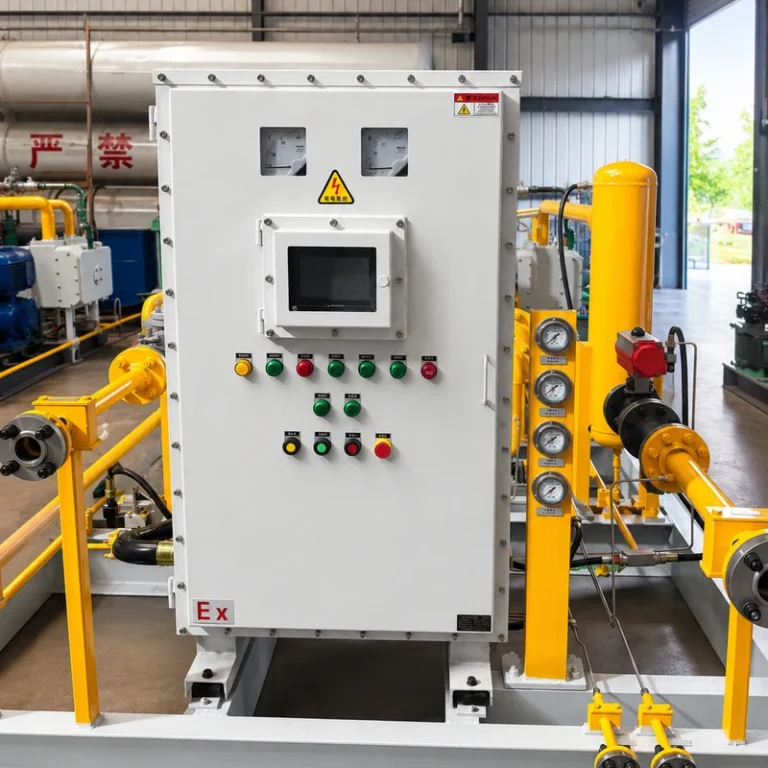
Oxygen is the one common industrial gas where an ordinary compressor design becomes a genuine fire hazard. High-pressure oxygen combined with hydrocarbon contamination — oil film, grease, a dirty thread, a rubber O-ring — can ignite. Once an oxygen system ignites, it burns in the metal itself,...
Overview
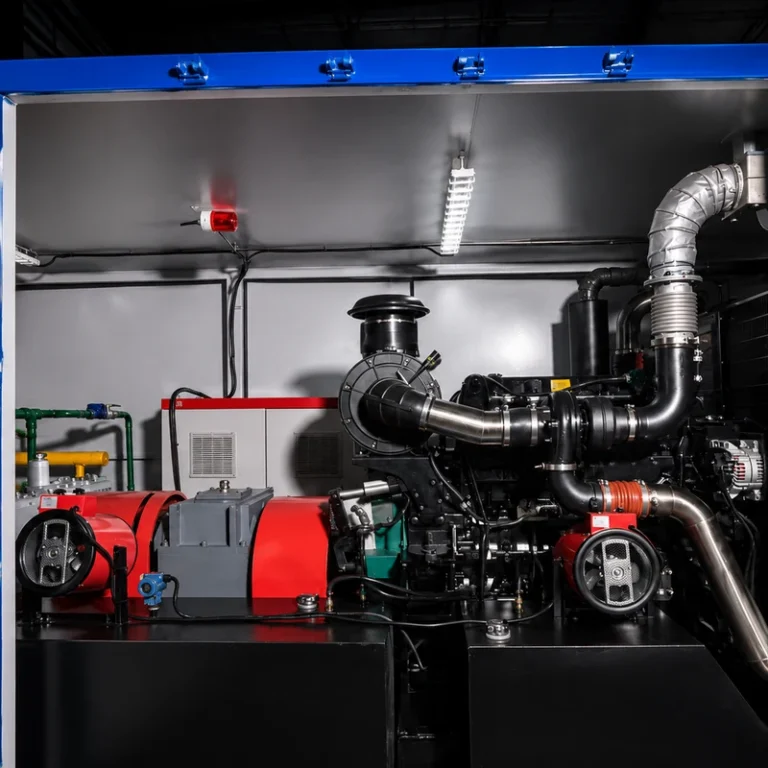
Carbon dioxide is a misleading gas. It behaves almost ideally at low pressure and then departs from it sharply as pressure rises, so the compressibility factor, the exponent and the density all have to be taken from real gas data rather than estimated from an air-like model. On top of that,...
Overview
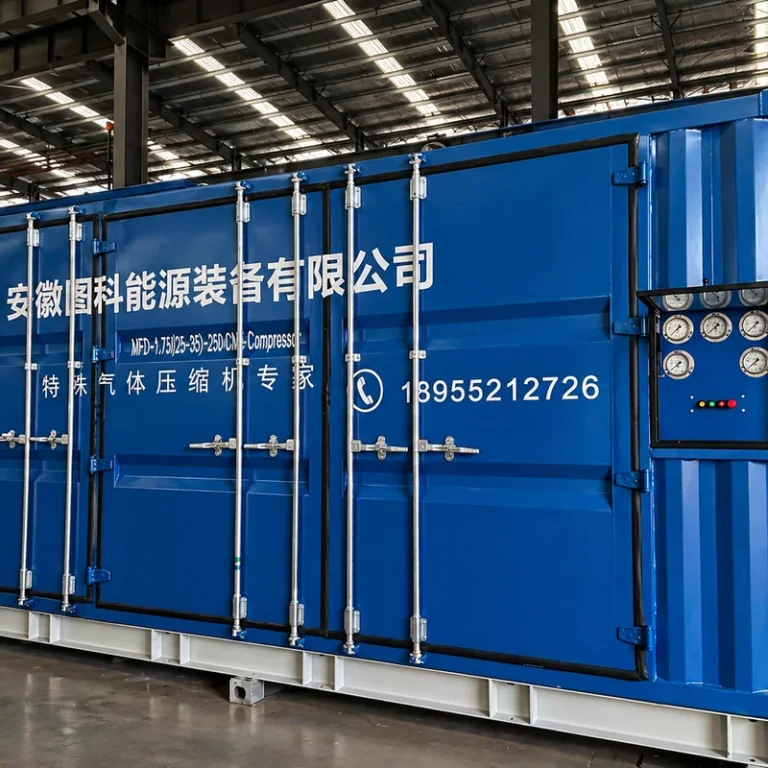
A hydrogen compressor cannot be specified the way a natural gas machine is. Hydrogen has the smallest molecule of any industrial gas, so it migrates through clearances that would seal perfectly on methane, it changes the fatigue behaviour of high-strength steels, and it demands a hazardous-area...
Overview
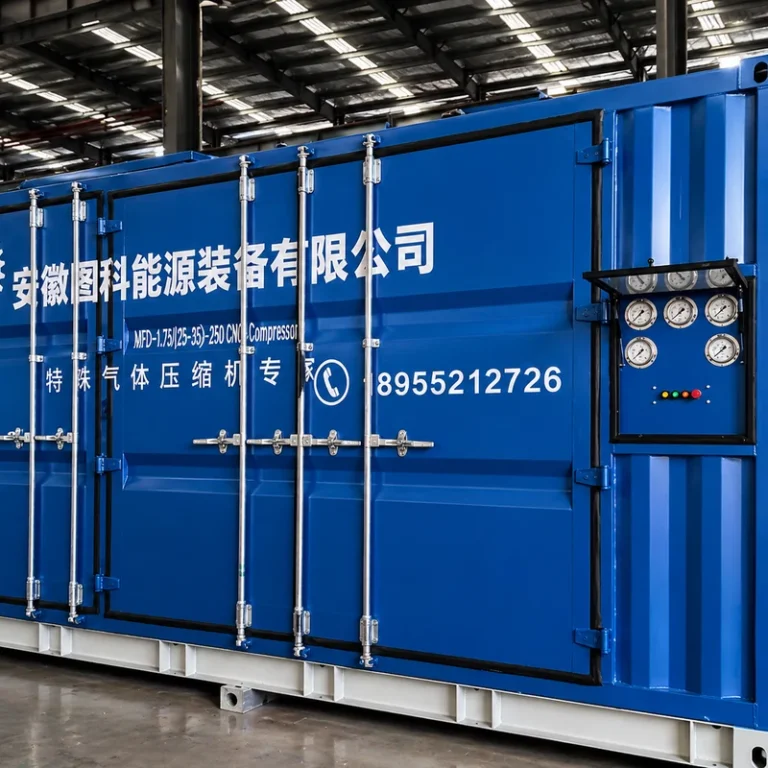
Nitrogen compression looks simple until cleanliness and safety are taken seriously. Nitrogen is inert as a process gas, but its purity requirement is often absolute — a few parts per million of lubricating oil can disqualify a batch — and it displaces oxygen in enclosed spaces, which makes ventilation...
Overview
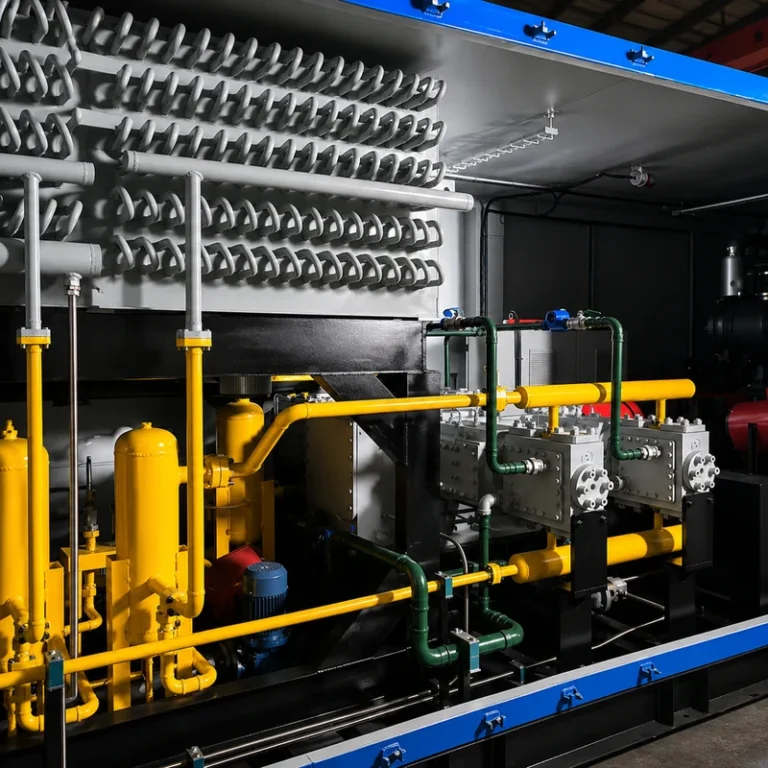
Anhydrous ammonia is easy to compress mechanically and difficult to handle safely. It is toxic, it attacks copper and copper alloys, it is strongly hygroscopic, and its behaviour changes markedly with pressure and temperature. A machine that ignores those properties will run, but it will not...
Overview
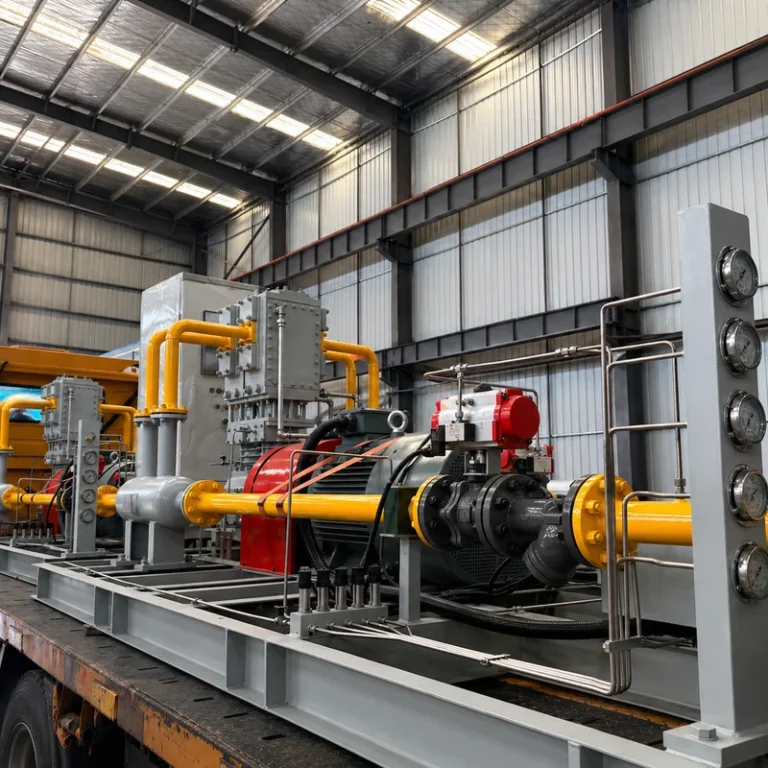
Propylene compression is a light hydrocarbon duty with a chemical complication: under the wrong conditions the gas can polymerise, and the resulting deposits foul valves, packings and sealing surfaces. The machine must therefore be designed not only for the pressure and flow, but for the operating...